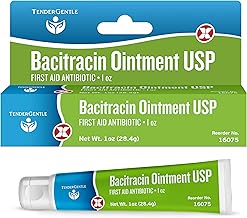
When it comes to treating minor injuries at home, having a reliable first aid antibiotic ointment is non-negotiable. Among the most trusted and effective options is Bacitracin, particularly when combined with zinc. This powerful topical antibiotic has been a staple in medicine cabinets for decades, offering a simple yet potent defense against infection. Whether you're dealing with a kitchen cut, a child's scraped knee, or a minor burn, understanding how to use this ointment correctly can make a significant difference in healing time and comfort.
What is Bacitracin Zinc Ointment?
Bacitracin is a polypeptide antibiotic derived from the bacterium *Bacillus subtilis*. When formulated as an ointment with zinc, it creates a dual-action treatment. The antibiotic component, bacitracin, works by interfering with the cell wall synthesis of bacteria, effectively stopping their growth and preventing infection. Zinc, on the other hand, plays a crucial supporting role. It acts as an astringent, helps to keep the wound area moist (which promotes healing), and provides a protective barrier against external contaminants. This combination makes products like the Bacitracin Antibiotic Ointment with Zinc USP exceptionally effective for minor wound care.
Key Uses and Benefits for First Aid
The primary purpose of bacitracin zinc ointment is infection prevention. It is specifically designed for superficial skin wounds. Common applications include:
Minor Cuts and Scrapes: After cleaning the wound with soap and water, applying a thin layer of ointment creates a barrier that keeps bacteria out while the skin repairs itself. The MED PRIDE Bacitracin with Zinc Ointment is a perfect example of a product formulated for this exact purpose, offering skin relief and protection.
First-Degree Burns: For minor burns from hot surfaces or sun exposure, the ointment can soothe the skin and prevent bacterial invasion in the damaged tissue.
Preventing Infection in Abrasions: For scrapes like road rash or rug burns, the ointment's protective layer is invaluable.
Beyond these, some formulations are also used for dermatitis relief and diaper rash, as the zinc provides a soothing, protective coating for irritated skin. A product like Dynarex Bacitracin Zinc Ointment USP highlights its use for itchy rashes and minor burns in its description.
Choosing the Right Product for Your Needs
Bacitracin zinc ointment comes in various sizes and formats to suit different needs, making it a versatile first aid kit essential.
For the Home Medicine Cabinet: A standard 1 oz tube, such as the Bacitracin First Aid Antibiotic Ointment, USP, is ideal for occasional family use.
For Bulk Needs or Frequent Use: If you have an active family, work in a setting prone to minor injuries, or want to stock multiple first aid kits, buying in bulk is cost-effective. The MED PRIDE Bacitracin Zinc Ointment 4-Pack or the large 15 Oz. Jar of Bacitracin Zinc are excellent bulk first aid supplies.
For Portability and Hygiene: Single-use packets are perfect for travel kits, backpacks, or workplaces. The Globe Bacitracin Antibiotic Zinc Ointment Packets (144 Pack) ensure you always have a sterile, mess-free application on hand, a key consideration for travel health.
Enhanced Formulations: Some products include additional soothing ingredients. For instance, Globe Bacitracin Zinc Ointment + Aloe adds the moisturizing and calming benefits of aloe vera, while Bacitraycin Plus combines bacitracin zinc with aloe vera for enhanced wound healing.
How to Use Bacitracin Ointment Safely and Effectively
Proper application is key to reaping the benefits of this topical antibiotic. First, always clean the wound thoroughly with mild soap and running water. Pat the area dry gently with a clean cloth. Then, apply a small dab of the ointment—just enough to cover the wound with a thin layer. You can cover it with a sterile bandage or gauze, especially if the wound is in an area prone to dirt or friction. Reapply one to three times daily, or whenever the bandage is changed, until the wound has formed a protective scab or is visibly healing. Remember, this ointment is for external use only on minor wounds. If a wound is deep, won't stop bleeding, shows signs of a serious infection (like increased redness, swelling, pus, or fever), seek medical attention immediately.
Bacitracin vs. Other Antibiotic Ointments
You may wonder how bacitracin compares to other common antibiotic ointments. A well-known alternative is Neosporin, which is a triple antibiotic ointment containing bacitracin zinc, neomycin sulfate, and polymyxin B. While Neosporin, like the Neosporin Original First Aid Triple Antibiotic Ointment, offers broad-spectrum protection, some individuals are allergic to neomycin. A single-ingredient bacitracin ointment is an excellent hypoallergenic choice for those with sensitive skin or known allergies to other antibiotics. It provides targeted, effective infection protection with a lower risk of allergic reaction for most people.
In conclusion, Bacitracin Zinc Ointment remains a cornerstone of effective first aid. Its simple mechanism, proven efficacy in infection prevention, and availability in various formats—from single packets to bulk jars—make it an indispensable part of any home, travel, or workplace safety kit. By keeping a reliable product on hand and using it correctly, you empower yourself to handle life's minor mishaps with confidence, promoting faster healing and keeping your family protected. For a deeper dive into its uses and safety, exploring a comprehensive guide on Bacitracin Zinc Ointment can provide even more valuable insights.